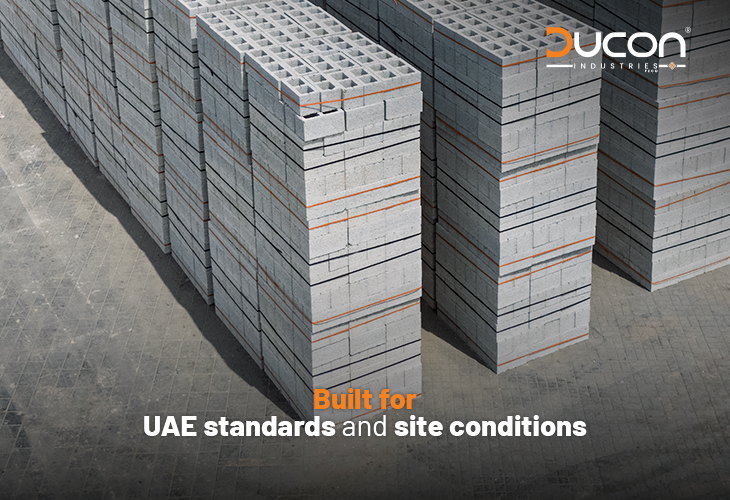
Made in UAE Construction Blocks: Why They’re the Smart Choice for Local Projects

Made in UAE Construction Blocks: Why They’re the Smart Choice for Local Projects

Uncategorized

When it comes to construction in the Emirates, one decision has a bigger impact than most developers realize:

Choosing made in UAE construction blocks over imported alternatives.

Because in the UAE, climate, compliance, logistics, and sustainability aren’t minor variables.

They’re critical performance factors.

And locally manufactured blocks are engineered specifically around those realities.

Let’s break down why that matters.

1. Engineered Specifically for UAE Climate Conditions

The UAE is not a standard construction environment.

You’re building in:

  • 45°C+ summer heat
  • High UV exposure
  • Coastal humidity
  • Saline soil conditions in many areas

Made in UAE construction blocks are formulated with these exact stressors in mind.

This results in:

  • Reduced thermal cracking
  • Improved moisture resistance
  • Greater structural stability over time
  • Better long-term durability

Imported blocks are often designed for milder climates.

Local blocks are designed for this climate.

That difference shows up years down the line.

2. Guaranteed Alignment with UAE Building Codes

made in uae construction blocks

Each emirate operates under strict construction standards.

From Dubai Municipality regulations to Estidama in Abu Dhabi, compliance is non-negotiable.

One major advantage of Made in UAE construction blocks:

They are produced in alignment with local regulatory frameworks.

This reduces:

  • Inspection delays

  • Rejection risks

  • Structural redesign costs

  • Approval bottlenecks

For developers and consultants, that means smoother project execution.

3. Faster Supply Chains = Faster Project Completion

made in uae construction blocks

Construction delays are expensive.

Imported materials introduce risk through:

  • International freight dependency

  • Port clearance timelines

  • Currency fluctuations

  • Shipping disruptions

With Made in UAE construction blocks, supply chains are shorter and more predictable.

Benefits include:

  • Reduced lead times

  • On-demand restocking

  • Lower transport costs

  • Better inventory planning

For fast-track developments, that logistical edge can be decisive.

4. Higher Quality Control Standards

The UAE construction sector is highly competitive.

Local manufacturers invest heavily in:

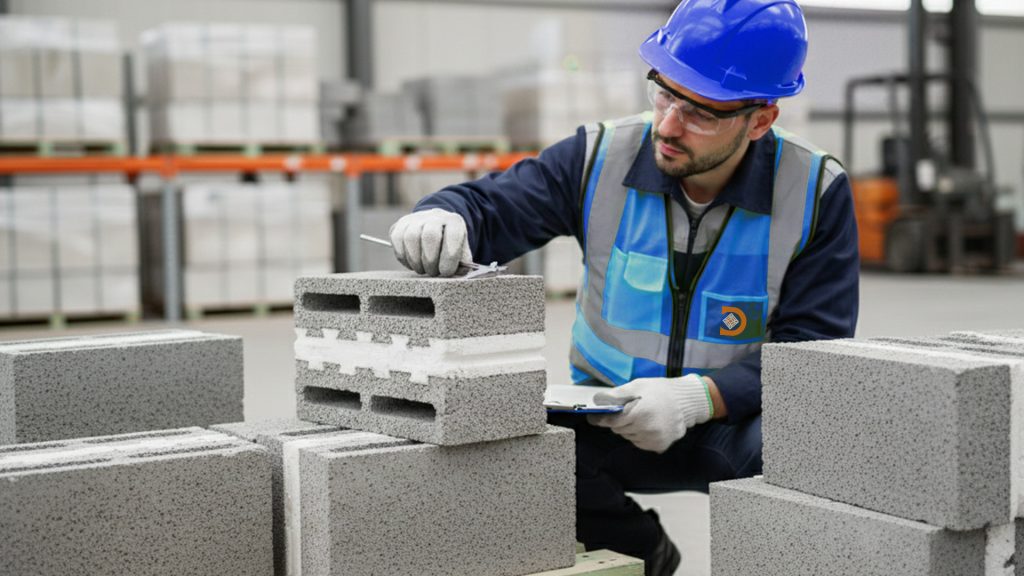
  • Automated production systems


  • Precision batching processes


  • Compressive strength testing


  • Dimensional consistency controls


The result?

More uniform blocks.

Better wall alignment.

Lower on-site correction costs.

Consistency at scale matters, especially in large residential or commercial projects.

5. Better Thermal Performance and Energy Efficiency

Cooling accounts for a significant portion of building energy consumption in the UAE.

Properly engineered concrete blocks contribute to:

  • Improved wall system insulation

  • Reduced heat transfer

  • Lower HVAC loads

When integrated correctly, Made in UAE construction blocks support energy-efficient building envelopes, an increasingly important factor under green building initiatives.

Over time, this translates to:

  • Lower electricity bills

  • Improved sustainability ratings

  • Reduced carbon footprint

6. Sustainability and Reduced Environmental Impact

Transporting heavy building materials across borders significantly increases emissions.

Locally manufactured blocks reduce:

  • Freight-related carbon output

  • Packaging waste

  • Import-related environmental costs

Many UAE-based production facilities are also aligning with:

  • Sustainable sourcing practices

  • Efficient water recycling systems


  • Green building material standards

For developers targeting environmental certifications, this matters.

7. Long-Term Cost Efficiency

At first glance, imported blocks may sometimes appear competitively priced.

But true project cost includes:

  • Freight charges
  • Risk of delays
  • Compliance adjustments
  • Material inconsistencies
  • Damage during transit

When evaluating total installed cost, Made in UAE construction blocks often deliver stronger overall value.

Not just a lower purchase price.

But lower lifecycle cost.

Made in UAE Construction Blocks vs Imported Alternatives

Here’s the strategic comparison:

Factor

Made in UAE Construction Blocks

Imported Blocks

Climate Adaptation

Designed for UAE conditions

Designed for other climates

Compliance

Built to local codes

May require additional verification

Logistics

Short supply chain

International shipping dependency

Sustainability

Lower carbon footprint

Higher freight emissions

Risk Profile

Predictable

Variable

The choice becomes clear when evaluated beyond initial pricing.

Frequently Asked Questions

  • Are Made in UAE construction blocks better for local projects?

Yes. They are engineered for UAE climate conditions, comply with local building standards, and reduce logistical risks compared to imported alternatives.

  • Do locally manufactured blocks meet UAE regulations?

Blocks produced within the UAE are typically aligned with municipality and regulatory standards, reducing inspection and approval risks.

  • Are imported construction blocks suitable for UAE weather?

Some may perform adequately, but they are often not specifically engineered for extreme heat, humidity, and saline conditions common in the region.

  • Do local construction blocks help with sustainability goals?

Yes. Shorter transport distances and alignment with green building standards contribute to lower environmental impact.

Choosing Made in UAE construction blocks isn’t just about origin.

It’s about:

  • Climate performance
  • Compliance confidence
  • Faster project timelines
  • Sustainability
  • Long-term cost efficiency

In a region with demanding environmental and regulatory conditions, locally manufactured materials offer a clear strategic advantage.

For developers focused on durability, efficiency, and reduced project risk, the decision becomes less about price and more about performance.